
Assessment of chest pain, coronary artery disease and cardiovascular risk in Hampshire
Call 999 immediately for severe, crushing, persistent or new chest pain, especially with sweating, nausea, breathlessness, collapse, or pain spreading to the arm, jaw or back. Planned cardiology review is appropriate for exertional chest tightness, recurrent symptoms, risk-factor assessment, or uncertainty after initial tests.
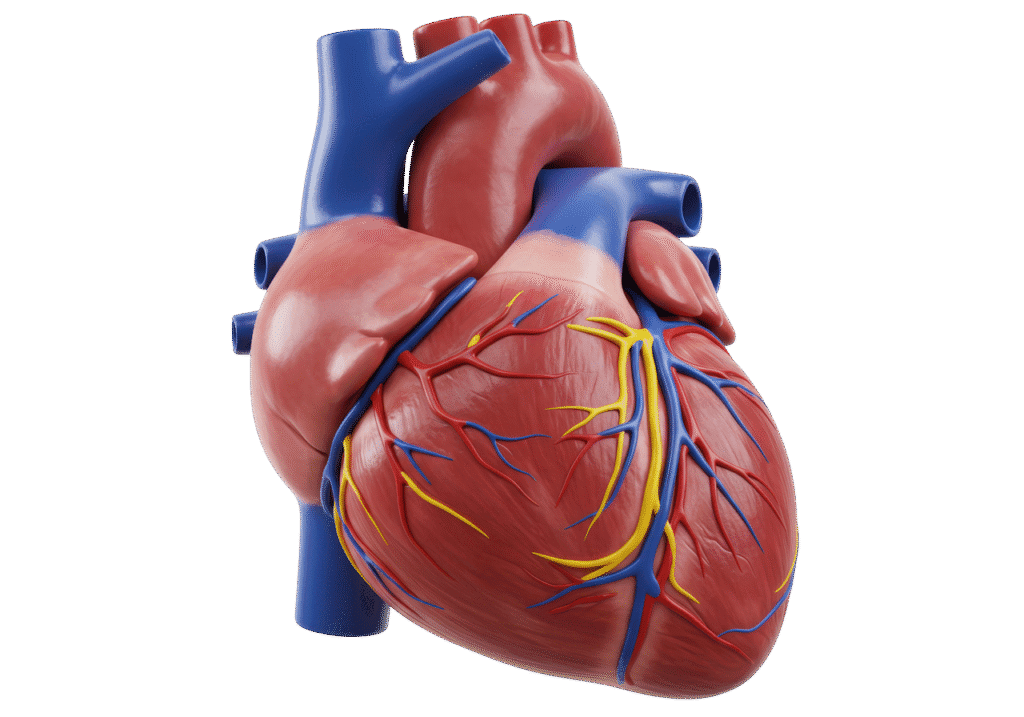
Coronary artery disease (CAD), also known as ischaemic heart disease, occurs when the arteries supplying blood to your heart muscle become narrowed or blocked by fatty deposits called plaques. This process, known as atherosclerosis (furring of the arteries), develops slowly over many years. When your coronary arteries are narrowed, your heart may not receive enough oxygen-rich blood, particularly during physical activity or stress, leading to symptoms such as chest pain (angina).
Coronary artery disease is the most common type of heart disease and a leading cause of heart attacks in the UK. Risk factors include high cholesterol, high blood pressure, smoking, diabetes, family history, obesity, and physical inactivity. While these risk factors increase your likelihood of developing furring of the arteries and angina, many people can significantly reduce their risk through lifestyle modifications and appropriate medical treatment.
The severity of coronary artery disease varies widely. Some people have mild narrowing that causes occasional symptoms, while others have severe blockages requiring urgent treatment. Early detection through specialist assessment and advanced cardiac testing is crucial. With appropriate treatment (ranging from lifestyle changes and medications to coronary interventions) most people with furring in their arteries can manage their condition effectively and maintain good quality of life while reducing their risk of heart attack.
Pressure, tightness, or discomfort in the chest, often triggered by exertion and relieved by rest
"Difficulty breathing during physical activity or when your heart isn't receiving enough oxygen
Unusual tiredness or reduced exercise capacity, particularly during activities that were previously manageable
Discomfort radiating to the left arm, shoulder, neck, jaw, or back, especially with exertion
Light-headedness or feeling faint, which may indicate inadequate blood flow
Severe, crushing chest pain with sweating, nausea, or breathlessness requires immediate emergency care
Accurate diagnosis of coronary artery disease requires a comprehensive assessment combining your symptoms, risk factors, physical examination, and specialized cardiac testing. Dr Cassar evaluates your chest pain characteristics, cardiovascular risk profile, and overall heart health to determine the most appropriate diagnostic pathway. The choice of tests depends on your symptoms, pre-test probability of CAD, and individual circumstances.
Dr Cassar offers comprehensive non-invasive cardiac testing to evaluate coronary artery disease. Coronary CT angiography (CTCA) provides detailed three-dimensional images of your coronary arteries, allowing visualization of blockages without invasive procedures. Stress echocardiography assesses how your heart performs during exercise, revealing areas of reduced blood flow. These imaging techniques, combined with traditional tests like ECG and exercise testing, provide thorough evaluation of your coronary circulation.
For patients with more complex presentations or when non-invasive tests are inconclusive, Dr Cassar works closely with interventional cardiology colleagues to arrange invasive coronary angiography; this test directly visualizes your coronary arteries using X-ray imaging. This thorough diagnostic approach ensures accurate assessment of disease severity, precise localization of blockages, and evidence-based treatment planning tailored to your individual needs and preferences.
Dr Cassar develops personalised treatment plans based on the severity of coronary disease, symptoms, overall risk and treatment preferences. The goal is to relieve symptoms, prevent heart attacks and support safe, sustainable activity.
Lifestyle changes form the foundation of coronary artery disease management and can dramatically slow disease progression. Dr Cassar provides evidence-based guidance on stopping smoking (the single most important change), adopting a heart-healthy diet, increasing physical activity, maintaining healthy weight, and managing stress. These modifications not only improve symptoms but also reduce your risk of future cardiac events. Even with established CAD, lifestyle changes can stabilize or even partially reverse arterial plaque build-up.
Medications are highly effective in managing coronary artery disease and preventing complications. Treatment typically includes antiplatelet agents (such as aspirin) to prevent blood clots, statins to lower cholesterol and stabilize plaques, blood pressure medications, and anti-anginal drugs to relieve chest pain. Many patients also benefit from medications to control heart rate and reduce the heart’s oxygen demands. Dr Cassar carefully selects and adjusts medications based on your symptoms, test results, and tolerability, with regular monitoring to ensure optimal disease control.
When coronary blockages are severe or causing persistent symptoms despite medication, percutaneous coronary intervention (PCI, commonly known as angioplasty and stenting) can restore blood flow to your heart muscle. This minimally invasive procedure involves threading a thin catheter through an artery to the blockage, inflating a small balloon to widen the artery, and often placing a stent (small mesh tube) to keep it open. Dr Cassar works closely with experienced interventional cardiologists to coordinate this treatment when appropriate, ensuring you receive expert care throughout your treatment journey.
For patients with extensive coronary disease affecting multiple arteries, or when angioplasty isn’t suitable, coronary artery bypass surgery may offer the best long-term outcomes. This operation creates new routes for blood flow around blocked arteries using blood vessels from other parts of your body. Dr Cassar collaborates with leading cardiac surgeons to ensure comprehensive evaluation and coordinated care. The decision between medical treatment, angioplasty, or surgery is made collaboratively, considering your specific anatomy, symptoms, overall health, and personal preferences.
After initial treatment, long-term management focuses on preventing disease progression and reducing heart attack risk. This includes regular follow-up appointments, monitoring of symptoms and risk factors, medication adjustments as needed, and repeat testing to assess disease stability. Dr Cassar’s expertise in advanced cardiac imaging allows precise tracking of your condition over time. With comprehensive secondary prevention (including optimal medical therapy, lifestyle modifications, and regular monitoring) most patients with CAD can achieve excellent long-term outcomes and maintain quality of life.
Coronary artery disease (CAD), also called ischaemic heart disease, happens when the arteries supplying blood to your heart become narrowed or blocked. This occurs because fatty deposits called plaque build up on the artery walls over many years; a process called atherosclerosis. When your arteries are narrowed, your heart may not get enough oxygen-rich blood, especially during activity or stress. This can cause chest pain (angina) or, in severe cases, a heart attack. CAD is the most common type of heart disease in the UK.
Furring of the arteries develops when fatty deposits gradually build up inside your coronary arteries. Several factors increase your risk: high cholesterol, high blood pressure, smoking, diabetes, being overweight, lack of exercise, and family history of early heart disease. Age also plays a role: risk increases as you get older. The good news is that you can control many of these risk factors through lifestyle changes and medication, which can slow or even partially reverse the disease process.
While coronary artery disease cannot be completely cured, it can often be stabilised or even partially reversed with lifestyle changes and medication. Studies show that lowering cholesterol significantly (especially LDL or “bad” cholesterol below certain levels), combined with stopping smoking, healthy eating, regular exercise, and stress management, can actually open up blocked arteries to some extent. Even if you already have narrowings in the coronary arteries, these changes can prevent the disease from getting worse and dramatically reduce your risk of heart attack.
Angina is chest pain or discomfort that happens when your heart isn’t getting enough blood. People describe it differently; some feel pressure, tightness, heaviness, or a squeezing sensation in the chest. It might feel like someone is sitting on your chest, or you might mistake it for indigestion. The discomfort can spread to your arms (especially the left), shoulders, neck, jaw, or back. Some people just feel breathless without chest pain. Women are more likely than men to experience back, shoulder, or jaw pain rather than classic chest pressure.
Angina is chest pain or discomfort that happens when your heart isn’t getting enough blood. People describe it differently; some feel pressure, tightness, heaviness, or a squeezing sensation in the chest. It might feel like someone is sitting on your chest, or you might mistake it for indigestion. The discomfort can spread to your arms (especially the left), shoulders, neck, jaw, or back. Some people just feel breathless without chest pain. Women are more likely than men to experience back, shoulder, or jaw pain rather than classic chest pressure.
Chest pain has many causes; it could be heartburn, muscle strain, anxiety, or lung problems, as well as heart-related issues. Heart-related chest pain (angina) typically feels like pressure, tightness, or heaviness, often triggered by physical activity or stress, and improves with rest. However, only proper medical assessment can tell for sure. If you have new or unusual chest pain, especially if you have risk factors for heart disease, you should see your doctor. Never try to self-diagnose chest pain. It’s always worth getting checked.
Diagnosis starts with discussing your symptoms, risk factors, and family history, followed by a physical examination. Initial tests usually include an ECG (heart tracing) and blood tests to check cholesterol and other factors. For more detailed assessment, you might have a stress test, such as an exercise ECG or dobutamine stress echocardiography, to see how your heart performs under stress. Coronary CT angiography (CTCA) provides detailed three-dimensional images of your coronary arteries without invasive procedures. In some cases, invasive coronary angiography, where dye is injected directly into your coronary arteries, provides the most accurate assessment of blockages.
Treatment depends on how severe your CAD is. Everyone benefits from lifestyle changes: stopping smoking, eating a heart-healthy diet, exercising regularly, and managing stress. Most people also need medication: statins to lower cholesterol, aspirin to prevent blood clots, blood pressure tablets, and sometimes anti-anginal drugs to relieve chest pain. If you have severe blockages causing persistent symptoms, you might need angioplasty and stenting (where a balloon opens up the artery and a small mesh tube keeps it open) or, in some cases, coronary artery bypass surgery. Your cardiologist will discuss which approach is best for you.
Angioplasty (also called PCI or coronary stenting) is a minimally invasive procedure to open blocked coronary arteries. A thin tube is inserted through an artery in your wrist or groin, threaded to your heart, and a small balloon is inflated to widen the blockage. A stent (tiny mesh tube) is usually placed to keep the artery open. Not everyone needs angioplasty; many people manage well with medication alone. You might need it if you have severe blockages causing persistent chest pain despite medication, or during a heart attack to restore blood flow quickly. Your cardiologist will recommend angioplasty only if it’s truly necessary for your situation.
The most common sign is severe chest pain, usually a crushing, squeezing, or heavy sensation that doesn’t go away. But heart attacks don’t always feel the same. Other signs include pain spreading to your arms, neck, jaw, back, or stomach; feeling breathless, sweaty, lightheaded, or sick; and a sense of impending doom. Women are more likely than men to experience less obvious symptoms like nausea, back pain, or extreme fatigue without severe chest pain. If you think you might be having a heart attack, don’t wait: call 999 immediately. Early treatment can save your life and prevent permanent heart damage.
Call 999 immediately: don’t wait to see if it goes away. Time is critical during a heart attack. Most heart damage happens in the first two hours, and delaying by just 30 minutes can mean significant loss of heart muscle. Never drive yourself to hospital: ambulance paramedics can start treatment immediately and alert the hospital so a team is ready when you arrive. While waiting, chew one adult aspirin if you have it (unless you’re allergic). Don’t be embarrassed about calling for help; even if it turns out not to be a heart attack, it’s always better to get checked.
Yes, some heart attacks cause few or no symptoms: these are called “silent heart attacks.” This is more common in people with diabetes (who may have nerve damage affecting pain sensation) and sometimes in elderly people. A silent heart attack still causes permanent heart damage and increases risk of future heart problems. This is why it’s so important to have regular check-ups if you have risk factors for heart disease, even if you feel fine. Sometimes these silent attacks are only discovered on later ECGs or heart scans.
Yes, in fact regular exercise is one of the best things you can do for your heart. Most people with stable coronary artery disease can exercise safely and should aim for at least 150 minutes of moderate activity per week. Start slowly and build up gradually; even 10 minutes of walking is beneficial. Talk to your doctor before starting any new exercise program, especially if you experience chest pain with activity. Cardiac rehabilitation programs offer supervised exercise and education, helping you build confidence and fitness safely. Exercise actually helps improve blood flow to your heart and can relieve angina symptoms over time.
Stopping smoking is single most important change you can make; your risk of heart attack drops significantly within weeks of quitting and continues to fall. Next priorities are eating a heart-healthy diet (plenty of vegetables, fruits, whole grains, and oily fish; less red meat, salt, and processed foods), staying active, maintaining a healthy weight, and managing stress. Limiting alcohol is also important. These changes aren’t just about preventing problems; they often improve how you feel day-to-day and can actually help reverse some arterial blockages when combined with medication.
Most people with furring of the arteries need long-term medication to control cholesterol, prevent blood clots, and manage blood pressure. These medications dramatically reduce your risk of heart attack and help you live longer. Even if you feel completely well, the medications are working to protect your heart. Some people ask if they can stop once their symptoms improve; the answer is usually no, because the medications are preventing future problems, not just treating symptoms. Always discuss any concerns about your medications with your doctor rather than stopping them on your own.
You should see a cardiologist if you have chest discomfort that comes on with activity and improves with rest, unexplained breathlessness during exertion, or if you have risk factors for heart disease such as high blood pressure, high cholesterol, diabetes, smoking, or family history. Dr Cassar can provide comprehensive specialist assessment with advanced cardiac tests including coronary CT angiography and stress echocardiography to determine whether your symptoms are heart-related. He’ll evaluate your individual risk, explain what’s causing your symptoms, and create a personalised treatment plan. Early specialist assessment gives you answers quickly and ensures you get the right treatment to protect your heart health and give you peace of mind.
Dr Cassar is a consultant cardiologist seeing patients in Basingstoke and Winchester with particular expertise in advanced cardiac imaging. He can provide comprehensive assessment of your coronary arteries using state-of-the-art tests including coronary CT angiography and stress echocardiography. He’ll evaluate your symptoms, risk factors, and test results to create a personalised treatment plan including lifestyle advice, optimal medication, and, if needed, referral for procedures like angioplasty or bypass surgery. His advanced imaging skills allow precise assessment of your heart, helping guide the best treatment for your individual situation.
Dr Cassar is a consultant cardiologist seeing patients in Hampshire Clinic and Candover at Basingstoke, and the Berkshire Clinic in Reading. He has internationally-recognised expertise in advanced cardiac imaging. He can provide comprehensive assessment of your coronary arteries using state-of-the-art tests including coronary CT angiography and stress echocardiography. He’ll evaluate your symptoms, risk factors, and test results to create a personalised treatment plan including lifestyle advice, optimal medication, and, if needed, referral for procedures like angioplasty or bypass surgery. His advanced imaging skills allow precise assessment of your heart, helping guide the best treatment for your individual situation.
Contact Dr Cassar’s practice directly to arrange an appointment. He sees patients at Hampshire Clinic and Candover Clinic in Basingstoke and Berkshire Clinic in Reading. If you’re experiencing chest pain or concerned about your heart health, early specialist assessment ensures you get the right investigations and treatment promptly.
Plain-English articles related to this condition: