Dr Mark Cassar provides private cardiology consultations and cardiac investigations for patients in Hampshire, including Basingstoke, Winchester and surrounding areas. The aim is to match the right test to the right clinical question: symptoms first, then targeted investigation where it will change management.


The most useful test depends on the question being asked. Chest pain may need a coronary CT scan or stress echocardiogram; palpitations usually need ECG monitoring; breathlessness may need echocardiography, rhythm assessment or cardiac MRI. Dr Cassar’s imaging background helps avoid both under-investigation and unnecessary testing.
Your first appointment is built around the clinical problem, not a fixed package of tests. It usually includes:
Initial consultations typically last 30–45 minutes. A fuller guide explains what to expect at a private cardiology appointment, including referrals, preparation and what happens afterwards.
Follow-up appointments are used to review test results, assess response to treatment, adjust medication and decide whether further investigation is needed. They are also useful after hospital attendance, a new diagnosis, or when previous results need putting into clinical context.

Chest pain assessment helps decide whether symptoms could be angina, whether urgent care is needed, and whether tests such as CT coronary angiography or stress echocardiography are appropriate. Where the pattern suggests narrowed heart arteries, assessment may focus on coronary artery disease.
High blood pressure may need specialist review when readings are difficult to control, vary widely, or there is concern about heart strain, kidney disease, medication side effects or a secondary cause.
Palpitations assessment is useful when symptoms feel like racing, fluttering, pauses or irregular beats. Assessment usually focuses on matching symptoms to an ECG recording, then deciding whether reassurance, medication, rhythm monitoring or further treatment is needed.
Breathlessness assessment can help when symptoms are new, worsening or out of proportion to fitness. Breathlessness can come from the heart, lungs, anaemia, rhythm problems or several causes together; cardiology review helps assess whether valve disease, heart failure, coronary disease or arrhythmia is contributing.
A heart murmur assessment clarifies whether an extra heart sound is an innocent flow murmur or a sign of valve disease or another structural heart problem. A transthoracic echocardiogram is often the key test when the cause is uncertain.
Dizziness and blackouts assessment is useful when episodes are recurrent, unexplained, associated with palpitations, or involve loss of consciousness. The aim is to identify rhythm, blood pressure, valve or heart muscle causes that should not be missed.
Heart valve disease needs accurate imaging and careful timing. The key question is often not simply whether a valve leaks or narrows, but whether it is affecting the heart and when intervention should be considered.
Heart failure assessment looks for the type of heart failure, the underlying cause, and the treatment most likely to improve symptoms and reduce future risk.
Cardiovascular risk assessment brings together blood pressure, cholesterol, diabetes, smoking, family history and, where appropriate, imaging such as CT calcium scoring. The aim is practical prevention rather than a generic risk score alone.
Fatigue and reduced exercise capacity are common and not always cardiac. Cardiology review helps identify when heart rhythm, valve disease, heart muscle function or coronary disease needs to be excluded.
Different cardiac tests answer different questions. An ECG may identify rhythm or electrical changes; echocardiography assesses structure, valves and pumping function; CT is often useful for coronary arteries; cardiac MRI gives detailed information about heart muscle, scarring and inflammation. The value is in choosing the test that fits the clinical question.
An Electrocardiogram (ECG) records the electrical activity of your heart. It’s a quick and painless test to check for heart rhythm issues.
The Holter monitor is a portable device that tracks your heart’s activity over 24 hours, providing insights into your heart rhythm throughout daily activities.
An echocardiogram uses sound waves to produce images of your heart. This test assesses the size, shape, and function of your heart.
During an echocardiogram, a medication is administered to encourage the heart to beat faster; this allows Dr Cassar to determine if there are problematic narrowings in your coronary arteries.
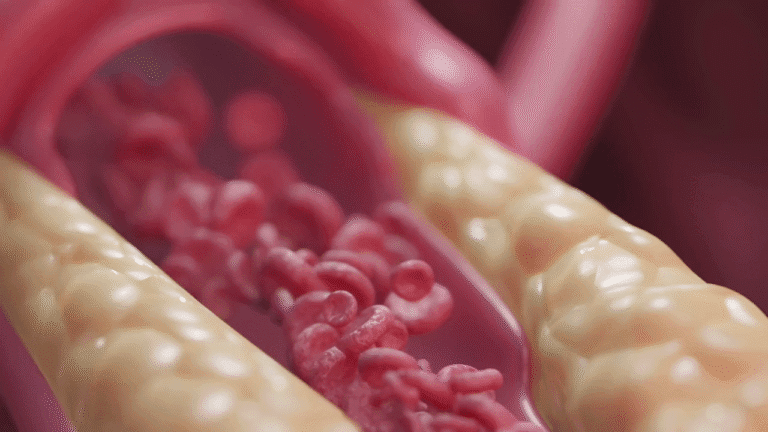
A cardiac CT allows Dr Cassar to look into the coronary arteries, which supply blood to your heart. This is a non-invasive way to check for cholesterol buildups which may cause chest pain and heart attacks.
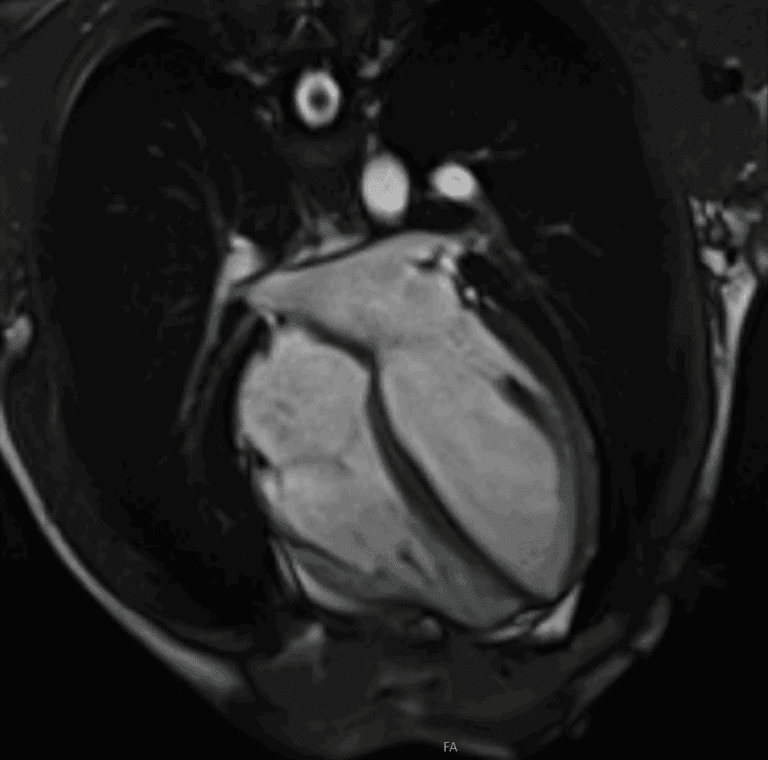
A cardiac MRI uses magnets to produce images and videos of your heart beating. This can often provide more information than an echocardiogram in certain conditions.
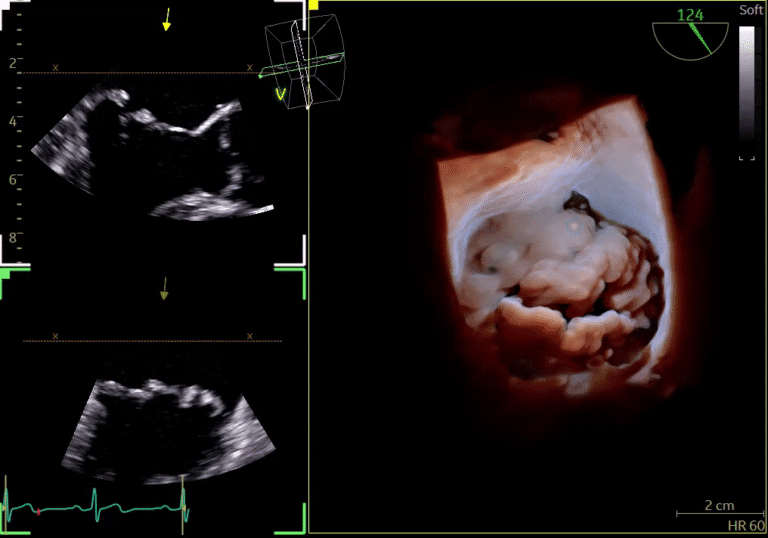
This test utilizes a specialized camera inserted through the gullet to capture precise images of the heart. This approach is highly effective for diagnosing and managing valve issues.
During an echocardiogram, saline is administered to look for specific holes in the heart. This test is also useful to look for abnormal blood vessels in the lungs.
During an echocardiogram, a special contrast that reflects sound waves is administered. This allows Dr Cassar to assess the heart in more detail.