Chest pain should be taken seriously, but not every episode of chest pain is a heart attack. The first question is whether the symptom needs emergency care or whether it can be assessed in a planned cardiology appointment.
In clinic, the important distinction is not simply “heart” or “not heart”. The pattern matters: when the pain comes on, what brings it on, what makes it settle, and whether the person has risk factors for coronary artery disease. ECGs, blood tests and scans only make sense when they are interpreted against that story.
When to call 999
Call 999 for chest pain that is severe, lasts more than 15 minutes, keeps returning at rest, or comes with sweating, nausea, collapse, marked breathlessness, or pain spreading to the arm, jaw, back or neck.
The same applies if chest pain happens with new weakness, facial droop, speech difficulty, faintness, clamminess or feeling acutely unwell. Do not drive yourself to hospital if a heart attack is possible.
Private clinic assessment is not a substitute for emergency care. If a heart attack or an unstable heart artery problem is possible, the right place is A&E. There, ECGs, repeated blood tests, monitoring and urgent treatment are available.
What heart-related chest pain can feel like
Heart-related chest pain is often described as pressure, tightness, heaviness or discomfort rather than a sharp pain. It may come on during walking uphill, climbing stairs, carrying shopping, cold weather or emotional stress. It often improves with rest.
The discomfort may be felt in the centre or left side of the chest. It can also spread to the arm, neck, jaw, back or upper abdomen.
Symptoms do not always follow the textbook. Older adults and people with diabetes may have breathlessness, fatigue or indigestion-like symptoms rather than classic chest tightness.
Chest pain that may still need cardiology review
A planned cardiology review is useful when chest discomfort is recurrent, unexplained, linked to exercise, or occurring in someone with risk factors for heart artery disease. Risk factors include age, smoking, diabetes, high blood pressure, high cholesterol, kidney disease and a strong family history of early heart disease.
It may also help if A&E has ruled out a heart attack but symptoms continue. A heart attack rule-out does not always answer whether there is stable artery narrowing, valve disease, a rhythm problem, or another heart-related cause.
This is a common source of confusion. “Your blood tests are normal” is reassuring about an acute heart attack, but it is not the same as saying the heart can be ignored if exertional symptoms continue.
What an ECG can and cannot rule out
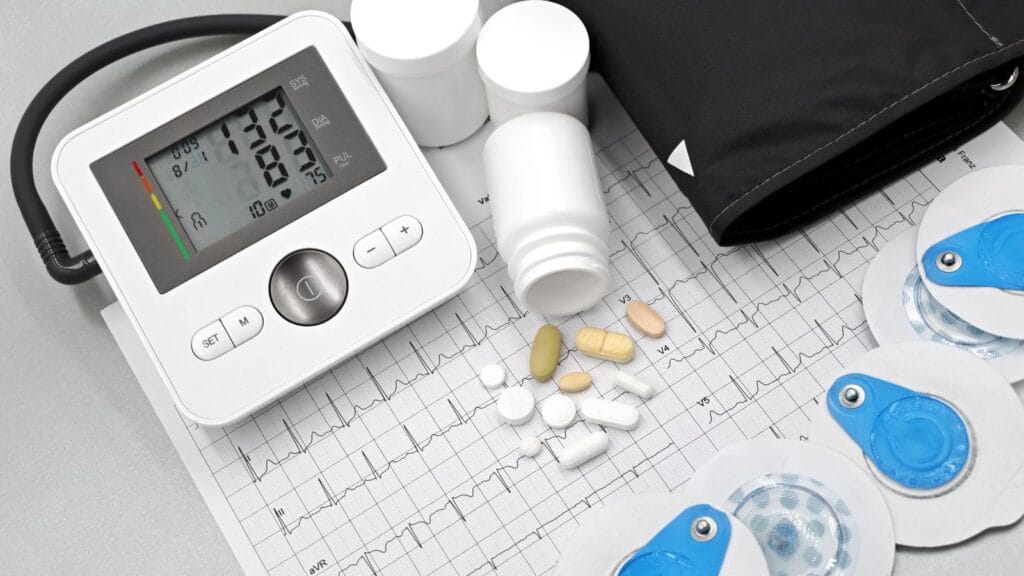
An ECG is usually one of the first tests. It is quick and gives useful information about heart rhythm and the electrical pattern of the heart.
But an ECG is a snapshot. It may be normal between episodes. It does not directly show the heart arteries and it does not measure valve disease. If the history sounds like angina, further assessment may still be needed even when the resting ECG is normal.
How heart artery tests fit in
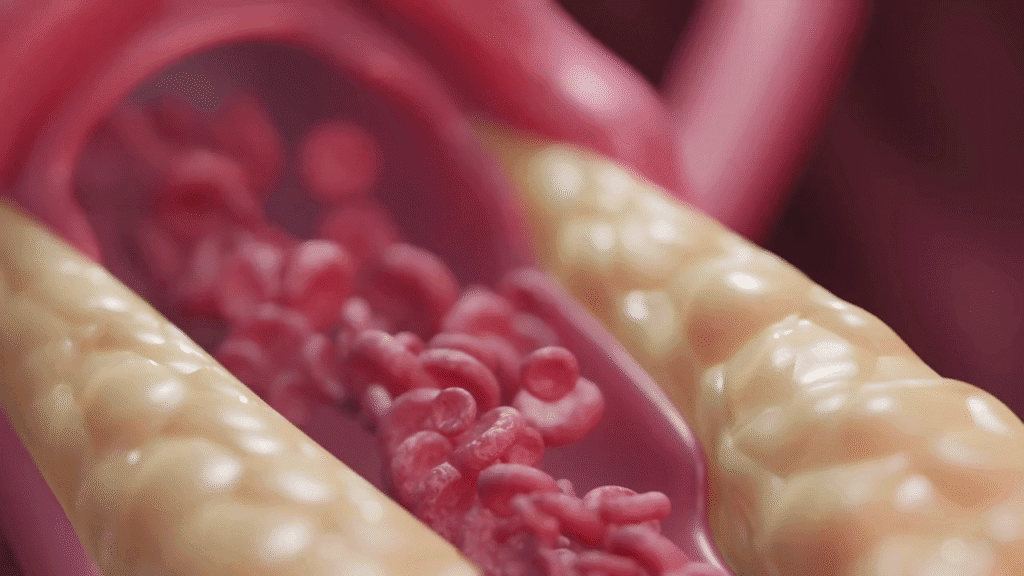
When symptoms suggest stable angina, a CT scan of the heart arteries is often used in UK pathways. The medical name is CT coronary angiography. It can show whether there is plaque or narrowing in the arteries that supply the heart.
Some patients need a different test, such as dobutamine stress echocardiography or an invasive angiogram. That depends on the symptoms, the first test results and local pathways.
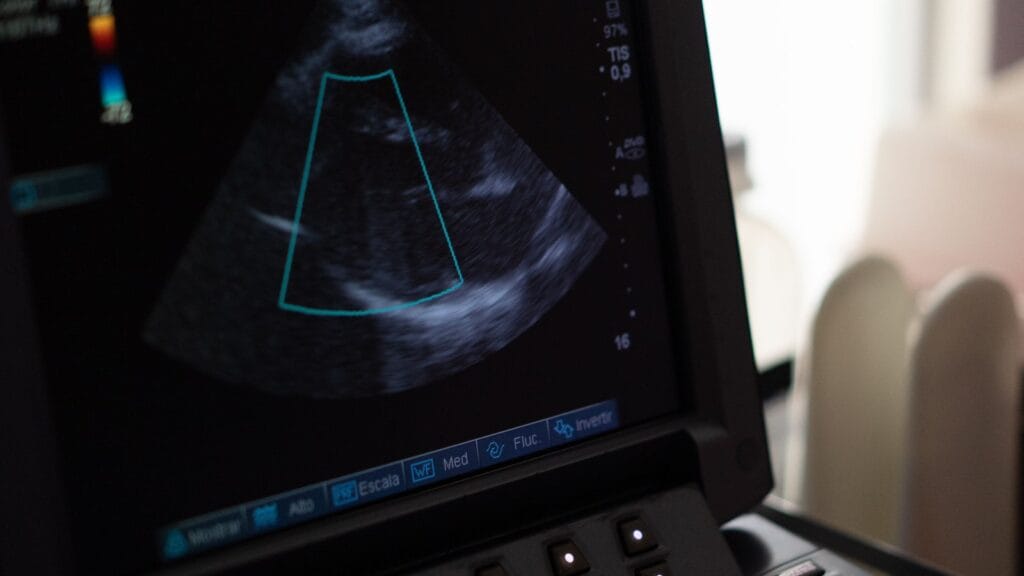
An echocardiogram answers a different question. It is an ultrasound scan that looks at pumping function, valve disease, heart size and some causes of breathlessness. It does not replace a heart artery test if the main concern is coronary artery disease.
Other causes of chest pain
Chest pain can come from the gullet, ribs, muscles, lungs, anxiety, inflammation around the heart, or the upper abdomen. That does not mean it should be dismissed. The pattern matters.
Pain that is brief, sharp and worse when pressing on the chest wall is less typical of heart artery pain. Tightness that comes on with exertion and settles with rest needs a different level of attention.
Planned assessment for non-emergency chest pain
Dr Mark Cassar can assess non-emergency chest pain in clinic, review previous ECGs and blood tests, and arrange appropriate imaging where needed. That helps avoid both under-investigation and unfocused testing.
If chest pain is recurrent but not an emergency, the appointments page explains how to arrange a consultation.
Questions patients often ask
Can a normal ECG rule out heart artery pain?
No. A resting ECG can be normal even when chest pain is coming from narrowed heart arteries. The symptom pattern and risk factors decide whether heart artery assessment is needed.
If A&E blood tests were normal, do I still need a cardiologist?
Sometimes. Normal acute blood tests can make a heart attack less likely, but they do not always rule out stable artery disease, valve disease, or rhythm-related symptoms.
Is sharp chest pain less worrying?
Sharp pain is less typical of heart artery pain, especially if it is brief and localised. It still needs context. Pain with breathlessness, collapse, fever, leg swelling or persistent symptoms should be assessed urgently.
Which test is best for chest pain?
There is no single best test. ECG and blood tests are used for urgent concerns. A CT scan of the heart arteries is often used for stable chest pain where artery narrowing is possible. Echo is useful when valve disease, heart function or breathlessness is part of the question.
Can anxiety cause chest pain?
Yes. Anxiety can cause real chest discomfort and palpitations. That explanation should still be made carefully, especially if symptoms happen with exercise or risk factors are present.