
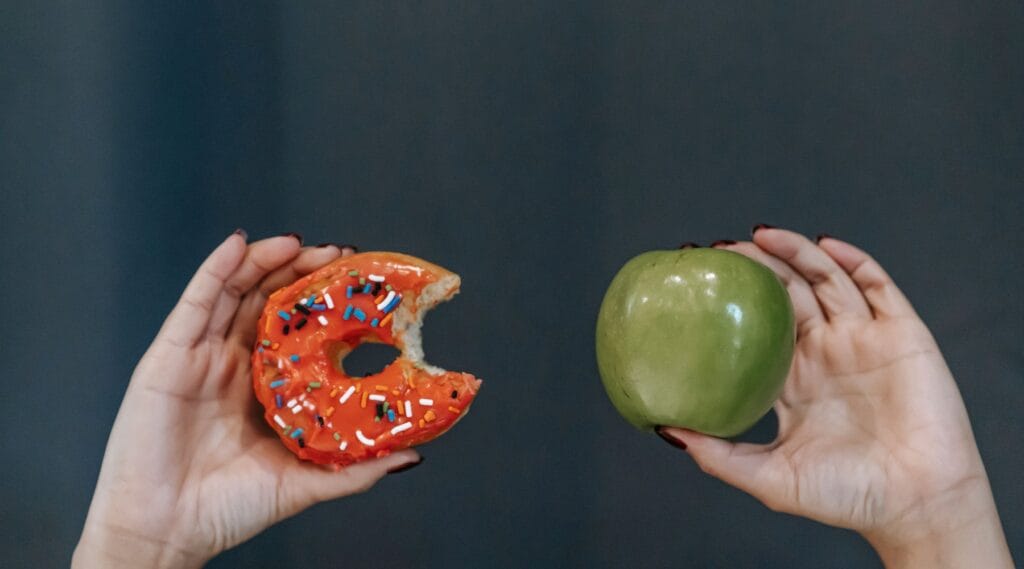
Short answer: a high intake of ultra-processed foods is associated with worse heart and metabolic health. That does not mean every packaged food is harmful, and it does not mean anyone needs to eat perfectly. The practical aim is to rely more on recognisable, minimally processed foods most of the time.
Ultra-processed foods have become part of everyday life. They are convenient, heavily marketed and often designed to last for weeks or months. A growing body of research links higher intake of ultra-processed foods with poorer health, including obesity, type 2 diabetes, cardiovascular disease and early death.
In cardiology clinic, diet usually matters because risk builds quietly. Blood pressure, cholesterol, diabetes, weight, smoking, activity and food patterns often change long before someone develops angina, heart failure or a stroke. Not all heart disease can be prevented, but a substantial part of risk is modifiable.
What are ultra-processed foods?
Ultra-processed foods are industrially manufactured products made from refined ingredients, extracted food substances and additives. They often contain ingredients that most people would not use in a home kitchen.
Common examples include fizzy drinks, crisps and packaged snacks, biscuits, cakes, many sugary breakfast cereals, ready meals, instant noodles, some processed meats and some plant-based substitute products.
A practical rule of thumb is this: if the ingredients list is long and includes substances you would not normally cook with at home, it is more likely to be ultra-processed.
This is not the same as saying all processed food is bad. Frozen vegetables, tinned fish, pasteurised milk, plain yoghurt, cheese, oats and olive oil are all processed to some degree, but they can still be part of a healthy diet. The concern is mainly with ultra-processed products that are low in fibre, high in refined carbohydrates, sugar, salt or unhealthy fats, and designed to be very easy to overeat.
What makes ultra-processed food different?
Ultra-processed food is not just “food in a packet”. These products are often engineered for softness, texture, sweetness, shelf life and convenience.
They may contain emulsifiers, stabilisers, thickeners, flavourings, colours, sweeteners, preservatives, refined starches, modified carbohydrates and industrial fats or oils.
Not every additive is harmful. Many are individually regulated for safety. The issue is the whole package: low fibre, altered food structure, rapid digestibility, high palatability, hidden salt or sugar, and displacement of more nutritious foods.
In other words, the problem is rarely one ingredient in isolation. It is the dietary pattern.
That distinction matters. A patient does not need to panic about the occasional packaged food. The more useful question is whether ultra-processed foods have become the default breakfast, snack, lunch and evening fallback. That is where they start to displace the foods that protect cardiovascular health.
How might ultra-processed foods affect heart health?
Ultra-processed foods may affect cardiovascular risk in several ways.
First, they can make it easier to eat more calories than intended. Many are soft, energy dense and not very filling. A controlled feeding study at the US National Institutes of Health found that people ate more calories and gained weight on an ultra-processed diet compared with a minimally processed diet, even when the meals were matched for broad nutrients. Read the NIH summary.
Second, many ultra-processed foods are low in fibre. Fibre helps with fullness, gut health, cholesterol control and blood sugar regulation. Diets low in fibre are often less protective for the heart.
Third, refined carbohydrates and added sugars can contribute to weight gain, insulin resistance, fatty liver and type 2 diabetes. Diabetes is one of the strongest risk factors for coronary artery disease.
Fourth, high salt intake can raise blood pressure. High blood pressure is a major risk factor for heart attacks, strokes, heart failure and kidney disease.
Fifth, some ultra-processed foods contain unhealthy fats or are part of a dietary pattern that worsens cholesterol and triglycerides. If cholesterol is raised, diet is only one part of assessment; the wider risk profile also matters. The site has a separate guide to high cholesterol and cardiovascular risk.
There is also growing interest in the gut microbiome, gut barrier function and inflammation. Some emulsifiers and other additives may affect the gut environment, but the evidence varies by additive and by outcome. This is an important area of research, but it should be discussed carefully rather than overstated.
What does the latest research say?
The research on ultra-processed foods has grown quickly.
A large BMJ umbrella review reported that greater exposure to ultra-processed food was associated with a higher risk of multiple adverse health outcomes, particularly cardiometabolic outcomes, common mental health disorders and mortality. The BMJ Group summary reported links with more than 30 damaging health outcomes, including cardiovascular disease-related death and type 2 diabetes. Read the BMJ Group summary.
It is important to be precise. Much of this evidence is observational, so it cannot prove on its own that ultra-processed food directly causes every outcome. People who eat more ultra-processed food may also differ in income, stress, sleep, activity levels and access to healthier food.
But the consistency of the associations, together with controlled feeding studies showing increased calorie intake, makes this difficult to dismiss.
The 2025 Lancet article and series on ultra-processed foods frames the issue as a major public health concern, with particular attention to the way industrial food systems prioritise profit, convenience and market growth over long-term health. Read The Lancet article.
For patients, the takeaway is practical rather than ideological: less ultra-processed food, more recognisable food, most of the time.
Why prevention matters in cardiology clinic
Most cardiovascular risk builds over years. High blood pressure, raised cholesterol, insulin resistance, type 2 diabetes and weight gain often develop gradually before they show up as angina, heart attacks, heart failure or stroke.
That is why prevention matters. Once arteries are narrowed or diabetes is established, treatment can still make a major difference, but it is better to reduce the pressure on the system earlier.
Dr Mark Cassar has previously spoken publicly about concerns around reliance on processed and ultra-processed foods, particularly because of their links with type 2 diabetes and cardiovascular risk. Read the Hampshire Hospitals article and the Hampshire Chronicle article.
The point is not to frighten people. It is to make prevention feel possible.
A Mediterranean-style diet remains one of the most sensible patterns for heart health: vegetables, fruit, pulses, wholegrains, nuts, olive oil, fish, eggs, yoghurt and minimally processed sources of protein. It does not need to be complicated.
How to reduce ultra-processed food without aiming for perfection
You do not need to remove every ultra-processed food overnight. For most people, that is unrealistic.
Start with the foods and drinks you have most often. Good places to begin include sugary drinks, breakfast cereals, packaged snacks, biscuits and cakes, ready meals, processed meats, and “health halo” products such as protein bars, low-fat snacks and some plant-based substitutes.
Try to build more meals from recognisable ingredients. That might mean eggs, yoghurt and fruit at breakfast; soup, salad, leftovers or tinned fish at lunch; and a simple evening meal with vegetables, protein, olive oil and wholegrains.
Cooking from scratch helps because you control what goes in. You are more likely to get fibre, protein and micronutrients, and less likely to get hidden sugar, salt and additives.
A useful question in the supermarket is: could I make something like this in my own kitchen from normal ingredients? If the answer is clearly no, it may be worth treating it as an occasional food rather than a daily staple.
Simple swaps
You do not need perfect swaps. You need repeatable ones.
- Instead of sugary cereal, try porridge, Greek yoghurt with berries, or eggs.
- Instead of crisps or biscuits every day, try nuts, fruit, yoghurt, oatcakes, hummus or cheese.
- Instead of fizzy drinks, try water, sparkling water, tea or coffee without added sugar.
- Instead of frequent ready meals, batch cook simple meals such as soups, stews, chilli, traybakes or pasta sauces.
- Instead of processed meats every day, choose fish, chicken, eggs, beans, lentils or minimally processed meat more often.
Small changes add up because they are repeated hundreds of times a year.
When should you seek medical advice?
Diet is only one part of heart health. You should seek medical advice if you have chest pain or chest tightness, breathlessness on exertion, palpitations, fainting or near-fainting, known high blood pressure, raised cholesterol, diabetes, a strong family history of heart disease, or concerns about your cardiovascular risk.
If you already have heart disease, diabetes, kidney disease or are taking medication for blood pressure or cholesterol, it is sensible to discuss major dietary changes with your doctor or specialist team.
If symptoms are persistent or concerning, Dr Cassar can assess cardiovascular risk, symptoms and relevant test results through his private cardiology clinics. Details are available on the appointments page.
FAQ
What counts as ultra-processed food?
Ultra-processed foods are industrially manufactured products that often contain refined ingredients, extracted food substances and additives such as emulsifiers, flavourings, colours, stabilisers or sweeteners. Examples include fizzy drinks, packaged snacks, biscuits, many ready meals, sugary cereals and instant noodles.
Is all processed food bad?
No. Processing includes many useful and safe methods, such as freezing, pasteurising, fermenting, drying or canning. Frozen vegetables, tinned fish, oats, plain yoghurt, cheese and olive oil can all fit into a healthy diet. Ultra-processing is the main concern.
Are frozen vegetables ultra-processed?
Usually not. Plain frozen vegetables are generally minimally processed and can be a very healthy option. They are convenient, affordable and often retain nutrients well.
Is bread ultra-processed?
Some bread is, and some is not. A simple bread made from flour, water, yeast and salt is different from a long-life packaged loaf with multiple additives, emulsifiers and preservatives. Check the ingredients list.
Are plant-based meat alternatives healthy?
Some are reasonable, but many are ultra-processed. They can be high in salt and may contain long lists of additives. If you eat plant-based foods, beans, lentils, chickpeas, tofu, nuts and wholegrains are often better everyday staples.
Can I still eat ready meals occasionally?
Yes. The aim is not perfection. An occasional ready meal is unlikely to be the deciding factor in your heart health. The bigger issue is whether ultra-processed foods make up a large part of your everyday diet.
Can cutting down ultra-processed food lower cholesterol or blood pressure?
It can help, especially if it leads to more fibre, less salt, fewer refined carbohydrates, weight loss where needed, and a healthier overall dietary pattern. Some people will still need medication for blood pressure, cholesterol or diabetes.
What is the best diet for heart health?
A Mediterranean-style diet has strong evidence for heart health. It focuses on vegetables, fruit, pulses, wholegrains, nuts, olive oil, fish and minimally processed foods, with fewer sugary drinks, refined carbohydrates and processed meats.