
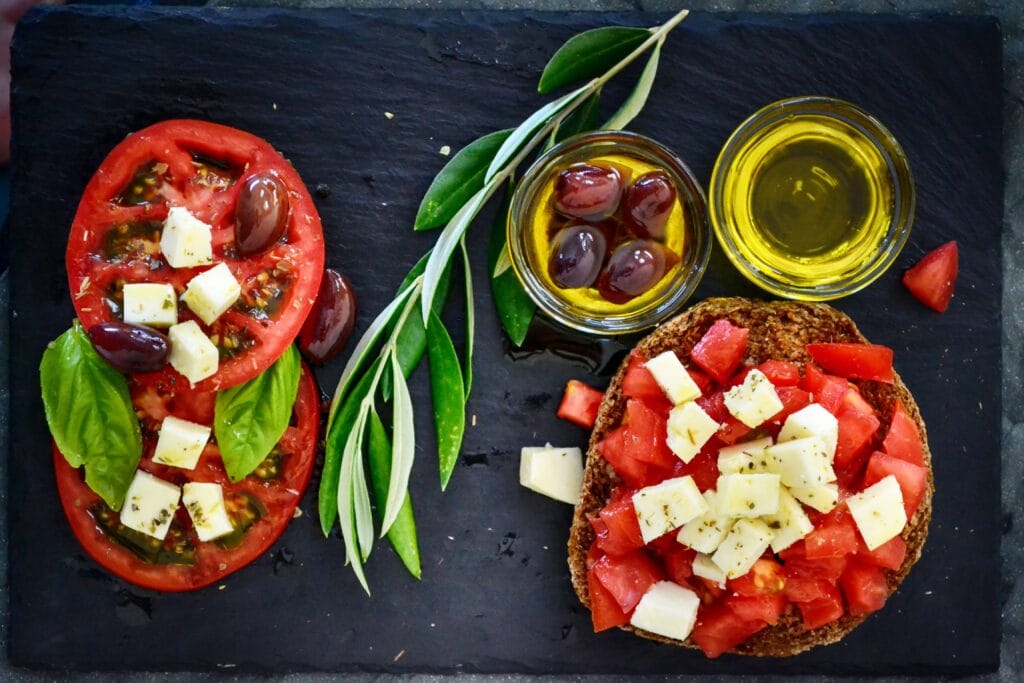
Short answer: yes. A Mediterranean-style diet is one of the better-supported eating patterns for heart health. It is not a strict weight-loss plan, and it is not simply pasta, olive oil and red wine. The benefit comes from the overall pattern: more vegetables, pulses, wholegrains, nuts, fish and unsaturated fats, and less processed meat, salt, sugar and saturated fat.
Diet is only one part of cardiovascular prevention, but it matters because it influences several risk factors at once: cholesterol, blood pressure, weight, blood sugar and type 2 diabetes risk. For many patients, the aim is not a perfect diet. It is a more protective pattern that can be sustained for years.
In clinic, I tend to place diet inside the wider risk picture: family history, blood pressure, cholesterol, diabetes, smoking, symptoms and previous test results. Food can move several of those risks in the right direction. It should not be used as a substitute for proper assessment or evidence-based treatment when those are needed.
What is the Mediterranean diet?
The Mediterranean diet is based on traditional eating patterns seen in parts of Greece, Italy, Spain and other countries bordering the Mediterranean. There is no single version, but the same themes appear repeatedly.
A Mediterranean-style diet usually means eating more:
- vegetables and fruit
- beans, lentils and chickpeas
- wholegrain bread, oats, brown rice and wholewheat pasta
- nuts and seeds, preferably unsalted
- fish, including oily fish such as sardines, mackerel, trout or salmon
- olive oil or rapeseed oil rather than butter, lard or ghee
- yoghurt, eggs and poultry in moderate amounts
It also means eating less processed meat, red meat, sugary drinks, sweets, pastries, salty snacks and highly processed foods.
This is not really a “low-fat” diet. The type of fat matters. Replacing saturated fats from butter, fatty meat, processed meat and some high-fat dairy foods with unsaturated fats from olive oil, rapeseed oil, nuts and fish is one of the reasons this pattern is considered heart healthy.
What does the evidence show?
The 2021 European Society of Cardiology prevention guideline recommends a healthy diet as a cornerstone of cardiovascular prevention. It specifically recommends adopting a Mediterranean or similar diet to lower cardiovascular risk, replacing saturated fats with unsaturated fats, reducing salt, eating more fibre-rich plant foods, and eating fish at least once a week.
One of the best-known trials is PREDIMED. This Spanish study included more than 7,000 adults at high cardiovascular risk. People assigned to Mediterranean-style diets supplemented with extra-virgin olive oil or nuts had fewer major cardiovascular events than those given advice to reduce dietary fat. The original paper was later withdrawn and republished after protocol issues were identified, but the revised analysis still supported benefit. The republished PREDIMED analysis is a useful piece of evidence, although no single nutrition trial should be treated as the final word.
A 2023 BMJ systematic review and network meta-analysis looked at structured dietary programmes in people at increased cardiovascular risk. It found moderate-certainty evidence that Mediterranean dietary programmes reduced all-cause mortality, cardiovascular mortality, stroke and non-fatal heart attack compared with minimal intervention.
The practical conclusion is straightforward: a Mediterranean-style diet is a sensible, evidence-based foundation for heart disease prevention.
The common trap is to reduce this to one ingredient. Olive oil helps if it replaces less healthy fats, but it does not rescue a diet built around processed meat, refined carbohydrates and frequent snacks. The pattern matters more than the label.
How does it help cholesterol and blood pressure?
The benefit is probably not from one “superfood”. It is the whole pattern.
Fibre from vegetables, fruit, oats, wholegrains, beans and lentils can help with fullness, blood sugar control and cholesterol. Replacing saturated fat with unsaturated fat can reduce LDL cholesterol. Eating less salt and fewer processed foods can help blood pressure. Reducing refined carbohydrates and sugary drinks may also help with weight and insulin resistance.
This is why the Mediterranean diet often overlaps with advice for high cholesterol, high blood pressure and coronary artery disease. The details may vary from person to person, but the direction of travel is similar: more recognisable food, more fibre, better fats, less salt and less ultra-processed food.
A practical UK version
You do not need specialist ingredients or expensive shopping. A UK-friendly Mediterranean-style diet can be built from ordinary foods:
- porridge with berries, nuts and seeds
- eggs or yoghurt with fruit rather than sugary cereal
- lentil or bean soup with wholegrain bread
- Greek-style salad with chickpeas, olive oil and wholegrains
- tinned sardines or mackerel on wholegrain toast
- grilled fish, potatoes and vegetables
- bean chilli with brown rice
- tomato-based pasta sauce with vegetables and olive oil
Frozen vegetables, tinned beans, tinned tomatoes, oats, lentils, seasonal fruit and tinned fish are all compatible with this way of eating. Rapeseed oil is also a reasonable everyday UK alternative to olive oil for cooking.
A useful plate guide is simple: half the plate vegetables or salad, a quarter high-fibre carbohydrate, and a quarter protein from fish, beans, lentils, chickpeas, eggs, poultry or yoghurt. Add olive oil or rapeseed oil where appropriate.
What should you cut down?
The biggest gains usually come from changing repeated habits, not from occasional meals.
Try to reduce:
- processed meats such as bacon, sausages, ham and salami
- frequent large portions of red meat
- butter, lard, ghee and cream as everyday fats
- salty snacks and ready meals
- sugary drinks
- cakes, biscuits and pastries as routine snacks
- large portions of refined white bread, white pasta or white rice without vegetables or protein
This does not require perfection. A diet that is 80% better and sustainable is usually more useful than a rigid plan that lasts two weeks.
I have previously commented publicly on the cardiovascular concerns around heavy reliance on processed and ultra-processed foods, particularly because of their links with weight gain, type 2 diabetes and heart disease risk. Hampshire Hospitals covered that advice here: cardiac consultant urges public to take care with processed food.
What about red wine?
Red wine is often mentioned in older descriptions of the Mediterranean diet, but it should not be treated as heart-health advice.
Alcohol is not required for cardiovascular prevention. People who do not drink should not start for their heart. Alcohol can raise blood pressure, contribute to atrial fibrillation, worsen sleep and add calories. If you drink, keep within UK low-risk drinking guidance and avoid saving units for heavy drinking sessions.
When diet is not enough
No. Diet is important, but it does not replace medication when medication is needed.
Someone with established heart disease, diabetes, very high LDL cholesterol, familial hypercholesterolaemia, previous stroke, significant hypertension or high calculated cardiovascular risk may still need tablets even with an excellent diet. The best approach is usually combined: diet, exercise, not smoking, weight management where relevant, and appropriate treatment of blood pressure, cholesterol and diabetes.
When diet advice is not enough
Dietary change is sensible for most people, but symptoms and high-risk features should not be ignored.
You should seek medical advice if you have chest pain or chest tightness, breathlessness on exertion, palpitations, fainting or near-fainting, known high blood pressure, raised cholesterol, diabetes, a strong family history of early heart disease, or uncertainty about your cardiovascular risk.
For urgent symptoms such as severe chest pain, collapse, stroke symptoms or severe breathlessness at rest, call 999 or attend A&E. Private clinic assessment is not a substitute for emergency care.
For non-emergency concerns, Dr Cassar can assess cardiovascular risk, symptoms and previous test results through his private cardiology clinics. The aim is to work out whether lifestyle advice is enough, or whether blood pressure, cholesterol, diabetes risk or symptoms need more structured assessment. Details are available on the appointments page.
Questions patients often ask
Is the Mediterranean diet good for the heart?
Yes. It is one of the better-supported eating patterns for cardiovascular prevention. It is recommended in European cardiovascular prevention guidance and supported by trial and review evidence, particularly when it replaces a diet high in saturated fat, salt, processed meat and refined carbohydrates.
Can the Mediterranean diet lower cholesterol?
It can help, especially when it increases fibre and replaces saturated fat with unsaturated fat. The effect varies between individuals. Some people still need cholesterol-lowering medication despite a good diet, particularly if their overall cardiovascular risk is high.
Is it good for high blood pressure?
It can support blood pressure control, particularly when it reduces salt, processed foods, excess alcohol and weight gain. Blood pressure still needs to be measured properly, because many people with hypertension feel completely well.
Is olive oil enough to make a diet Mediterranean?
No. Olive oil can be part of the pattern, but the benefit comes from the whole diet: vegetables, fruit, pulses, wholegrains, nuts, fish, less processed meat, less salt and fewer sugary or highly processed foods.
Is red wine part of the Mediterranean diet?
It appears in some traditional descriptions, but alcohol is not necessary for heart health. People who do not drink should not start drinking for cardiovascular prevention.
Can I follow a Mediterranean diet in the UK?
Yes. Oats, beans, lentils, tinned tomatoes, frozen vegetables, seasonal fruit, wholegrain bread, potatoes, rapeseed oil, olive oil, nuts and tinned fish all fit well.
Does the Mediterranean diet replace medication?
No. It can reduce cardiovascular risk, but it does not replace medication when medication is clinically indicated. Diet and medication often work best together.