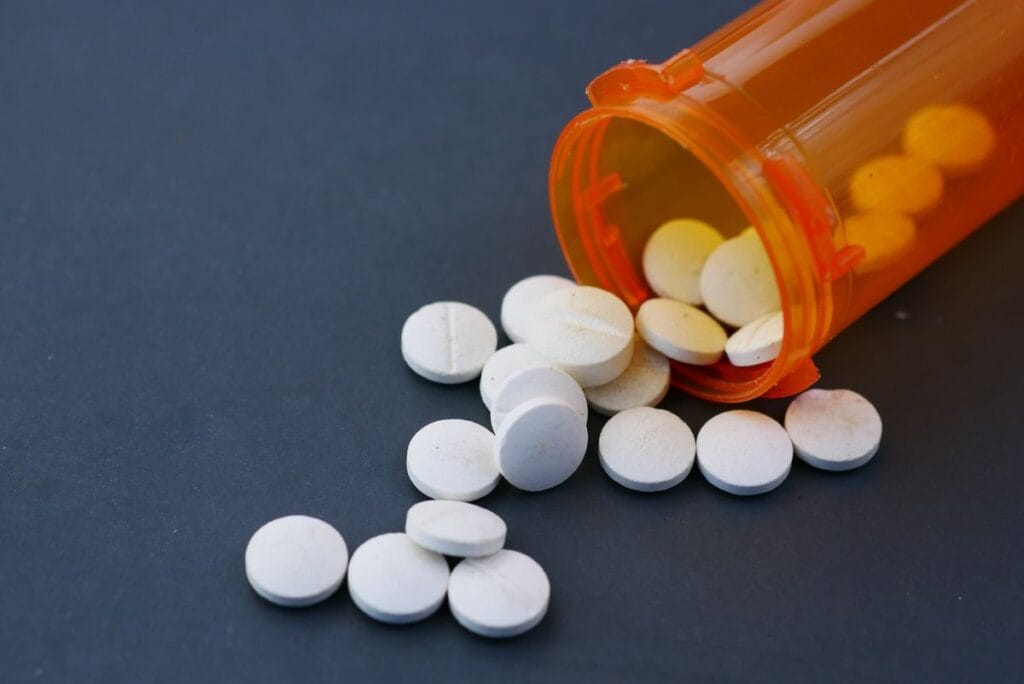
Short answer: statins are cholesterol-lowering tablets that reduce LDL cholesterol and lower the risk of heart attack and stroke, particularly for people with established heart disease or a higher calculated risk. Most consultations about statins start the same way: “I’ve been told to take one, but I’ve read things online.” They remain the most effective and most studied class of cholesterol-lowering medication we have, but they are also one of the most misunderstood. This article works through the questions patients actually ask in clinic, with the numbers behind the answers.
What a statin actually does to your cholesterol
Statins work by blocking an enzyme in the liver called HMG-CoA reductase. The easiest way to think of it is as the liver’s main control switch for making cholesterol. Turn that switch down, and the liver makes less cholesterol of its own, so it pulls more LDL (“bad” cholesterol) out of your bloodstream to make up the shortfall. That’s why your LDL level falls on treatment. The effect is dose-dependent and reasonably predictable:
- Low intensity (pravastatin 10-20mg, simvastatin 10mg): roughly 20-30% LDL reduction
- Moderate intensity (atorvastatin 10-20mg, rosuvastatin 5-10mg, simvastatin 20-40mg): roughly 30-50%
- High intensity (atorvastatin 40-80mg, rosuvastatin 20-40mg): 50% or more
Doubling the dose of a given statin adds only around another 6% LDL reduction. This is the “rule of 6.” This is why, if someone isn’t at target on a moderate dose, the more efficient move is often switching to a more potent statin rather than repeatedly doubling the one they’re on.
Do I actually need one?
This depends on whether you’re being treated for primary prevention (you haven’t yet had a heart attack, stroke, or similar problem, but your risk profile suggests one might happen) or secondary prevention (you’ve already had a heart attack, stroke, or have known coronary disease).
UK guidelines recommend using a risk calculator to estimate your chance of a heart attack or stroke over the next 10 years in primary prevention. This calculator, commonly known as QRISK3, takes details including your age, blood pressure, cholesterol levels, smoking history and a handful of other factors, and turns them into a single percentage. That percentage is worth understanding concretely: a 10% risk means that out of 100 people with your risk profile, about 10 would be expected to have a heart attack or stroke in the next 10 years. Once that figure goes above 10%, it prompts a discussion about starting atorvastatin 20mg. In secondary prevention, or in familial hypercholesterolaemia, statins are recommended regardless of that percentage. The disease is already present, so the question isn’t “might this happen” but “how do we stop it happening again.”
The NHS lipid target in secondary prevention is a reduction of at least 40% from baseline in your non-HDL cholesterol. This is a broader measure than LDL alone, adding up all the cholesterol types that aren’t the “good” HDL kind. LDL itself is typically aimed below 2.0 mmol/L (lower still, around 1.4 mmol/L, in very high-risk patients). In primary prevention the goal is more individualised and depends on overall risk.
The clinical judgement here matters more than the algorithm. A risk calculator is a population tool. It will occasionally overestimate risk in someone with an otherwise clean profile and underestimate it in someone with a strong family history or inflammatory disease. I use the calculator as a starting point for conversation, not a verdict. Where the result sits in a genuinely borderline zone, and the patient’s history or family background doesn’t quite fit the number it produces, that’s exactly when it’s worth talking through in person rather than accepting the percentage at face value.
Where family history or the usual lipid profile does not explain the apparent risk, Lp(a) or ApoB testing can sometimes add useful context.
The side-effect questions, answered with the actual evidence
Muscle pain. If you’ve had aches, cramps or heaviness in your legs or arms since starting a statin, that’s a real experience and a completely fair thing to raise. It’s the concern I hear most often in clinic, and it isn’t something to wave away. But the trial evidence is more reassuring than it tends to feel. In blinded randomised trials, where neither doctor nor patient knows who’s taking the real tablet and who’s taking a dummy one, muscle symptoms occur in roughly 5-10% of statin users, barely different from the dummy pill. In everyday practice, where everyone knows exactly what they’re taking, reported rates are much higher, often 10-25%. Part of that gap is what’s called the nocebo effect: expecting a side effect makes you more likely to notice ordinary aches and pin them on the tablet. The SAMSON trial (NEJM, 2020) tested this directly. It took patients who’d already stopped statins because of muscle symptoms and had them cycle, in random order and without being told which was which, through months on the statin, months on a placebo, and months on nothing at all. They rated their symptoms just as bad during the placebo months as during the statin months. ASCOT-LLA showed the same pattern by comparing its blinded phase against its later open-label phase (where everyone knew what they were on): muscle symptoms were reported far more often once patients knew they were taking a statin. GAUSS-3 found that most patients labelled “statin-intolerant” tolerated a different statin perfectly well when they tried again. None of this means statin-related muscle damage isn’t real. It is, in a genuine minority of people. But it does mean the first response to new muscle aches shouldn’t automatically be to stop for good. Trying a different statin, a lower dose, or dosing every other day resolves most cases.
Diabetes. Statins do modestly increase the risk of developing type 2 diabetes, by around 9-12%, concentrated almost entirely in people who already have pre-diabetes or other metabolic risk factors. In absolute terms this is a small number of additional cases, and it’s comfortably outweighed by the reduction in heart attacks and strokes. Large studies that combine data from many trials have put this beyond reasonable doubt.
Liver. A small, harmless-looking rise in liver blood test results, without any symptoms, turns up in a small percentage of users and rarely reflects genuine liver damage. UK guidelines no longer recommend routine ongoing liver function monitoring beyond a baseline check and one follow-up. This reflects the low real-world risk, not a lowering of clinical caution.
Memory and thinking. This worry comes up a lot, and it’s understandable. Once you start a tablet, it’s natural to notice things and wonder. But the FDA’s own review found no convincing evidence that statins cause memory loss or dementia. If anything, studies that simply follow people over time (rather than controlled trials, so the evidence is weaker) suggest a possible protective effect. That’s plausible, given that blood vessel health matters for brain health too, though this hasn’t been shown to be a direct cause and effect.
Cataracts. The data here is mixed and inconsistent across studies; nothing has been clearly proven either way.
Cancer. No. Multiple large studies that combine data from many trials, spanning hundreds of thousands of patient-years, show no increase in cancer rates with statin use.
Are statins banned in Europe? No. This claim circulates periodically online and has no basis. Statins remain first-line, guideline-recommended therapy across the NHS and every major international cardiology body.
Where does the real risk-benefit balance sit?
Context matters more than any single statistic. For primary prevention, the number needed to treat (NNT) to prevent one heart attack or stroke over five years is roughly 50-100, depending on baseline risk, meaning most people taking a statin for primary prevention will not personally experience a prevented event, though the population benefit is substantial and well-established (JUPITER, HOPE-3). For secondary prevention, the NNT drops to around 25-30. That’s a materially different conversation, because the person has already shown they’re exactly the kind of patient the treatment is designed to protect.
This is why shared decision-making matters more in primary prevention than in secondary. A patient with a 12% ten-year risk and significant statin-averse anxiety is in a genuinely different position from someone three months post-heart attack. In secondary prevention, I’ll push harder on adherence because the stakes are clearer: the disease is already established, and the NNT is much smaller. In primary prevention, I’m more willing to discuss a lower dose, an alternative drug, or a more diet-led approach with close monitoring, provided the patient understands what they’re trading off.
What can diet realistically achieve?
Diet helps, but the numbers are more modest than most patients expect. A well-executed Mediterranean diet typically lowers LDL by around 5-10%, with additional cardiovascular benefit beyond the cholesterol effect (via blood pressure, inflammation, and blood vessel function). This is why PREDIMED and similar trials show benefit disproportionate to the LDL change alone. The portfolio diet, combining plant sterols, soluble fibre, soy protein and nuts together, not piecemeal, has been shown to achieve LDL reductions in the region of 20-30% in trial conditions, genuinely comparable to a low-intensity statin. The caveat is adherence: the portfolio diet used in trials is a specific, disciplined dietary pattern, and most people don’t sustain it at that intensity in real life.
Diet and statins are not competing options. They’re additive. I encourage dietary change in everyone, statin or not, because it improves the whole heart and metabolic picture, not just LDL. But for someone with established coronary disease or a strongly elevated risk, diet alone rarely closes the gap that a statin closes, and delaying drug treatment while pursuing diet alone in that group is a common and avoidable pitfall.
If a statin genuinely isn’t tolerated: the alternatives
Real statin intolerance, confirmed after a fair rechallenge, isn’t the end of the road.
- Cholesterol absorption blockers (such as ezetimibe) work by reducing how much cholesterol you absorb from your gut, adding roughly 15-20% further LDL reduction, either alongside a statin or on its own.
- Injectable cholesterol-lowering antibodies (PCSK9 inhibitors, such as alirocumab and evolocumab given by injection every two to four weeks; inclisiran, given twice yearly) work by blocking a protein that normally limits how well the liver clears LDL from the blood. With that brake released, the liver clears far more LDL. These reduce LDL by 50-60%, dramatically more potent than tablets, generally reserved for very high-risk patients or genuine intolerance, and typically requiring specialist initiation.
- Statin-pathway tablets without the muscle side effects (bempedoic acid) work a step upstream of statins in the same cholesterol-production pathway, giving around 15-25% LDL reduction without the muscle-related side effects some patients experience on statins.
- Triglyceride-lowering tablets (fibrates) have only a modest effect on LDL; their main role is lowering triglycerides, particularly when cholesterol and triglycerides are both raised together (sometimes called mixed dyslipidaemia).
- Purified fish-oil-derived tablets (icosapent ethyl) are used specifically for persistently raised triglycerides in patients already on a statin, with cardiovascular benefit shown in REDUCE-IT.
- Bile-acid-binding tablets (bile acid sequestrants) are rarely used first-line now, given tolerability issues, but remain an option in specific circumstances, including pregnancy.
Can I just stop taking it?
It’s a fair question, and an honest one. Most people who ask it aren’t looking for permission so much as a genuine conversation about a tablet they’ve been told to take indefinitely, often after reading something unsettling online. I’d much rather you raise it openly than quietly stop and not mention it at your next review.
What I’d suggest depends on why you’re asking. If it’s side effects, those are usually sortable (see above). If it’s more a general unease about being on long-term medication, that’s worth talking through too, because the answer isn’t the same for everyone.
What I can tell you plainly: stopping abruptly in secondary prevention removes a treatment with a well-established NNT of 25-30, and the benefit doesn’t linger once the drug is out of your system. The protective effect fades as the drug clears, not overnight, but steadily. If side effects are genuinely the issue, the sensible order is: check what’s actually causing the symptom first (thyroid function and vitamin D levels are often more useful to check than assuming it’s the statin), try a different statin or a different dose, and only consider stopping altogether once real intolerance is confirmed. If you’re leaning towards stopping, bring it to a proper cholesterol review rather than deciding alone. There’s usually a way to keep the protection even if the original tablet isn’t the right one for you.
Dr Mark Cassar can assess cholesterol concerns in clinic, review your risk profile and previous results, and arrange further tests where appropriate. If you would like a personalised review, the appointments page has details on arranging a consultation.
Related patient guides
Frequently Asked Questions
Are statins bad for you?
No. Statins are among the most extensively studied medicines in modern medicine, with decades of randomised trial data showing a clear reduction in heart attack and stroke risk that outweighs their side-effect profile for the large majority of patients prescribed them.
Do statins cause muscle pain?
They can, but genuine statin-related muscle damage (myopathy) is uncommon. Much of the muscle pain reported in real-world use reflects the nocebo effect: expecting a side effect makes ordinary aches more noticeable. Most patients who think they can’t tolerate statins do tolerate a different one when they try again.
Do statins cause dementia or memory problems?
No convincing link has been found; an FDA review concluded the evidence doesn’t support this, and some long-term follow-up studies suggest a possible protective effect on thinking and memory.
Do statins cause cancer?
No. Large studies covering hundreds of thousands of patients show no increased cancer risk associated with statin use.
Are statins banned anywhere in Europe?
No. This is a persistent online myth. Statins remain first-line, guideline-recommended treatment throughout Europe and internationally.
Can diet replace my statin?
For most people with elevated cardiovascular risk or established coronary disease, no. Diet alone rarely achieves the LDL reduction a statin provides. A disciplined portfolio diet can achieve 20-30% LDL reduction, comparable to a low-intensity statin, but this requires real dietary rigour and is best viewed as additive to, not a replacement for, medication in higher-risk patients.
How long do I need to take a statin for?
Generally, indefinitely, if it’s being used for secondary prevention or established high risk. The cardiovascular benefit depends on continued treatment, not a fixed course.
What if I’ve had side effects on more than one statin?
This is when it’s worth exploring alternatives such as ezetimibe, bempedoic acid, or a PCSK9 inhibitor, and worth having a genuine specialist review of whether the symptoms are truly statin-related before abandoning cholesterol-lowering treatment altogether.