
A focused cardiology assessment for recurrent dizziness, faints or blackouts, with Dr Mark Cassar at his Basingstoke clinics, welcoming patients from Winchester.
Symptom assessment
Private dizziness and blackouts assessment in Hampshire
Not an emergency service. Call 999 for a medical emergency. Do not wait for a private appointment.
Dizziness and blackouts: what needs looking into
Dizziness is common and usually not serious. A true blackout, losing consciousness even briefly, is different and always deserves proper assessment.
The first question is whether the heart’s rhythm, blood pressure response, valves or heart muscle could be involved. Many causes are non-cardiac, but a cardiac cause matters because it changes risk and management. A good history is usually the most important part of the assessment.
When to seek urgent help first
Call 999 or go to A&E if a blackout happened during physical exertion, or came with chest pain, palpitations, or severe breathlessness. The same applies if there was an injury from a fall, seizure-like activity, persistent confusion afterwards, or a known heart condition.
Private assessment is appropriate for stable, recurrent or unexplained symptoms, not for an acute collapse or someone who remains unwell.
Common causes of dizziness and blackouts
Cardiac causes
Abnormal heart rhythms, slow conduction problems, valve disease and heart muscle problems can cause light-headedness or a sudden drop in blood pressure severe enough to cause blackout.
Non-cardiac contributors
Vasovagal faints, blood pressure drops on standing, dehydration, medication effects, inner ear problems, low blood sugar, anxiety and hyperventilation are frequent non-cardiac explanations.
How Dr Cassar assesses dizziness and blackouts
The history matters more than any single test. What you were doing beforehand, whether there was warning, how long it lasted, and what you remember afterwards all point towards a cardiac or non-cardiac cause.
Dr Cassar will review medication, fluid intake, family history, exercise symptoms and any heart symptoms. Examination may include lying and standing blood pressure checks. A resting ECG is usually performed and further testing is guided by the pattern.
Tests that may help
Resting ECG
A baseline recording looking for rhythm or conduction abnormalities that increase the risk of blackout.
Ambulatory monitoring
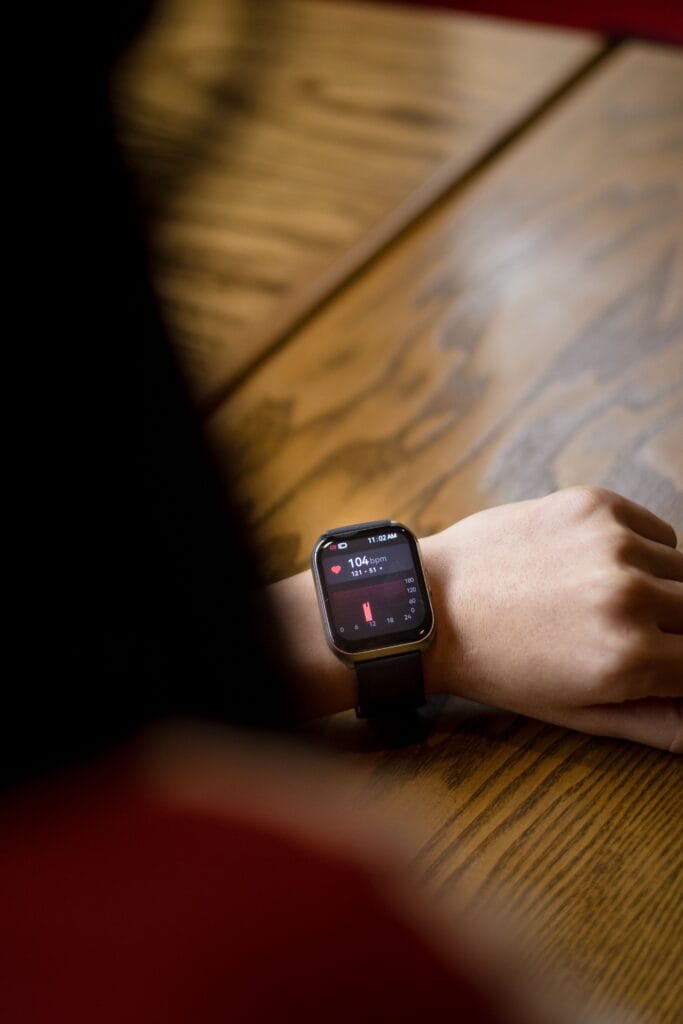
A wearable monitor worn from 24 hours to several weeks to capture the heart rhythm during symptoms.
Echocardiogram
An ultrasound scan of heart structure and valves, useful when a structural or valve problem is suspected.
Blood pressure and bloods
Lying and standing blood pressure checks, plus blood tests for anaemia, thyroid dysfunction or glucose issues where relevant.
Frequently asked questions
Is dizziness always caused by a heart problem?
No. Most dizziness is due to inner ear problems, dehydration, low blood pressure or anxiety rather than a cardiac cause. A cardiology assessment helps confirm this or identify cases where the heart is relevant.
What is the difference between dizziness and a blackout?
Dizziness is a sensation of light-headedness or unsteadiness without losing consciousness. A blackout, or syncope, means actual loss of consciousness, even briefly, and always warrants proper assessment.
When should I go to A&E instead of booking privately?
Go to A&E or call 999 if a blackout occurred during exercise, involved chest pain, palpitations or severe breathlessness, caused injury, had seizure-like features, or if confusion persisted afterwards.
Can medication cause dizziness or blackouts?
Yes. Medications for blood pressure, heart rhythm or other conditions can lower blood pressure or affect heart rate enough to cause dizziness or fainting, particularly after dose changes.
Do I need a heart monitor?
Sometimes. A monitor is useful if symptoms may be rhythm-related or if episodes are intermittent and not captured on a standard ECG.
Can a normal ECG rule out a rhythm problem?
No. A standard ECG captures only a short moment in time. If symptoms come and go, longer rhythm monitoring may be needed to exclude an intermittent rhythm problem.
Book a private dizziness and blackouts assessment
If you have had recurrent dizziness or an unexplained blackout and would like a clear assessment, a consultation can help decide whether the heart is involved and what testing is sensible. Private consultations are held at Candover Clinic or The Hampshire Clinic, both in Basingstoke. Patients from Winchester are welcome. Call to ask about current availability.
Or call 020 3198 9826 or email [email protected]
Not an emergency service. Call 999 for a medical emergency. Do not wait for a private appointment. Medical information disclaimer.