
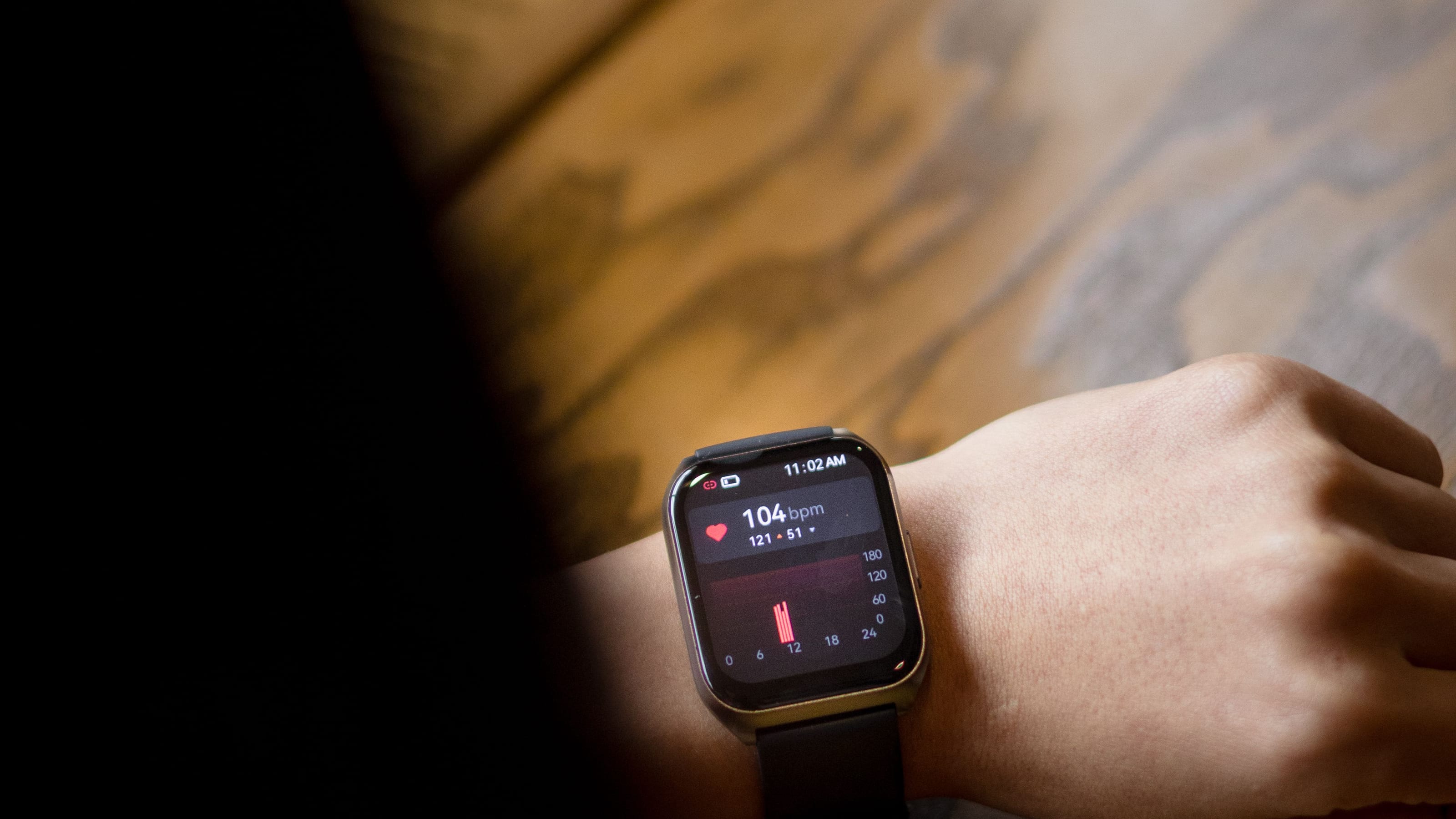
An ectopic beat is an extra heartbeat that arrives slightly early. It breaks your heart's normal rhythm for just one beat, then the normal rhythm comes straight back. Most people feel it as a thud, a flutter, a flip, or a brief sense that the heart has stopped and then thumped.
This is one of the most common reasons people look for reassurance about their heart. In most cases, it is a normal heart doing something slightly unusual for a moment, not a sign of disease. But the feeling alone cannot tell you, or your doctor, exactly what is going on. That is why it is worth getting checked if the sensation is new, keeps happening, or comes with other symptoms.
What is an ectopic beat?
Your heart normally beats in a steady pattern set by a small group of cells in its upper right chamber. Think of these cells as your heart's own built-in pacemaker. They send out a regular electrical signal that tells the rest of the heart when to beat.
An ectopic beat happens when a different part of the heart fires early, slightly ahead of when the next normal beat was due.
Doctors split ectopic beats into two types, based on where in the heart they start: the upper chambers, called atrial ectopics, or the lower chambers, called ventricular ectopics. This matters for working out what to do next, but you cannot tell which type you have just from how it feels. That needs a recording of your heart's electrical activity, called an ECG, taken at the moment the sensation happens. Without that recording, nobody, not even a doctor, can say for certain which type is behind a particular sensation.
Why it feels like a skipped beat
When people say their heart "skipped a beat," it usually has not actually skipped anything. What is really happening is two things close together.
First comes the early beat itself. Because it arrives ahead of schedule, the heart has had less time to fill with blood, so this beat can feel weak or almost unnoticeable. Then comes a short pause, while the heart resets back to its normal rhythm.
The beat that follows that pause is often stronger than usual, because the heart has had extra time to fill with blood before it beats. That stronger beat, landing right after the pause, is usually what people notice most. Many describe it as a thud or a jolt.
This sequence, an early weak beat, a short pause, then a stronger beat, is why the sensation can feel more dramatic than what is actually happening inside the heart. How strange or strong the feeling is does not tell you how serious it is.
What makes ectopic beats more noticeable
Ectopic beats can happen to anyone. Some everyday things are commonly linked to noticing them more often, including poor sleep, stress or anxiety, caffeine, alcohol, and smoking.
None of these on its own explains every case. Having one of these habits, or not having any of them, does not confirm or rule out a particular cause. Some people hope that giving up caffeine or alcohol will make the symptom disappear completely. Nobody can promise that. What actually helps depends on your own situation as a whole, not simply on cutting things out of your diet.
If you take a prescribed medicine and wonder whether it might be behind the symptom, talk to the doctor who prescribed it. Do not change or stop taking it yourself.
Emergency symptoms versus persistent symptoms
It matters to tell the difference between symptoms that need urgent help and symptoms that are ongoing but not an emergency.
Call 999 straight away if an irregular or skipped heartbeat comes with any of the following:
- chest pain or tightness
- severe breathlessness
- fainting or passing out
- severe dizziness that does not settle
Do not drive yourself to A&E. This combination of symptoms needs prompt checking to rule out something more serious.
If the sensation is occasional, brief, and does not come with the symptoms above, it is reasonable to book a routine appointment with a GP or cardiologist rather than treat it as an emergency. This is especially true if it is happening more often, lasting longer, or simply worrying you. If you also feel dizzy or black out alongside the skipped beats, it is worth reading about dizziness and blackouts assessment, since doctors look at that combination of symptoms a little differently.
How ectopic beats are assessed
Because the feeling alone cannot confirm what is happening, doctors usually combine several checks.
- A conversation and examination. A doctor will ask when the sensations happen, how long they last, what else happens around the same time, and about your wider medical history. This helps decide which tests, if any, are worth doing.
- A resting ECG. This is a short recording of your heart's electrical activity, usually taken lying down for a few minutes. It can sometimes catch an ectopic beat directly, or show something else worth looking into. A normal resting ECG does not rule out ectopic beats, because they often come and go.
- Rhythm monitoring. Since ectopic beats come and go, a longer recording is often more useful than one short snapshot. Holter and ECG monitoring uses a small device worn on the body for a day or more. It records what your heart does during normal daily life, including the exact moment you feel symptoms.
- Heart scans or blood tests, when needed. Not everyone needs these. An ultrasound scan of the heart, called an echocardiogram, can check its structure and how well it is pumping. Blood tests can check for things like thyroid problems or imbalances in body salts, both of which can affect heart rhythm.
Which tests are used depends on your symptoms, what else is going on, and your overall health, rather than a fixed checklist used for everyone. A full palpitations assessment brings all of this together to build a clearer picture.
It is also worth knowing that a recording showing ectopic beats is not, by itself, a diagnosis. The result has to be read alongside everything else known about you, because the same recording can mean different things in different people. Ectopic beats are also different from other rhythm problems such as atrial fibrillation, which follows a different pattern and carries different implications. Telling the two apart usually needs a recording taken while symptoms are actually happening.
If you keep noticing skipped or irregular beats, or you simply want a clearer answer about what is causing them, you may want to book a cardiology appointment for a full assessment.
Frequently asked questions
Are ectopic beats dangerous?
Ectopic beats are common, and for most people they do not point to serious heart disease. But you cannot assume this just from how it feels. Getting checked is the only way to know what is really happening in your case, especially if the symptom is new, frequent, or happens alongside other symptoms.
Can anxiety cause ectopic beats?
Stress and anxiety are often linked to noticing ectopic beats more. Part of the reason is that feeling anxious makes you more aware of sensations in your body, so a brief flutter can feel much more noticeable. This does not mean anxiety is always the cause, and symptoms that keep happening still need checking.
Will cutting out caffeine or alcohol stop ectopic beats?
Cutting back on caffeine or alcohol may help some people, but there is no guarantee it will. Do not rely on this alone instead of getting checked if the symptom keeps happening or is bothering you.
How are ectopic beats diagnosed?
Doctors usually combine a conversation about your symptoms, a physical check, and a recording of your heart's rhythm, such as an ECG or a longer period of wearable monitoring. This is because ectopic beats often need to be caught on a recording while they are actually happening.
Should I stop my medication if I think it is causing ectopic beats?
No. Speak to the doctor who prescribed it before changing anything. Stopping or adjusting a prescribed medicine without medical advice can carry its own risks.